


By Amogh Dev Rai | Research Director and researcher on China, and Chinese Geopolitics.
There is a Dovlatov story we keep coming back to, it ran in the New Yorker in 1986 and it is called “The Colonel Says I Love You”, and the plot, if you can call it a plot, is that a man wakes up after a party and there is a woman asleep on his couch. Lena. She has breakfast, she says she will be back around six, she comes back that evening and she never leaves. That’s the courtship. They marry, they have a daughter, and through all of it she is completely calm and completely unreadable and he never quite works out why she is there. Nobody says I love you. Not once, as far as we can tell.
Then Lena decides to emigrate, takes the daughter, goes. He stays, because he is a writer and he is stubborn and the Soviet Union won’t publish him anyway. And here is the bit that gives the story its title. He gets called in, and a KGB colonel at the immigration office tells him, very politely, that he should think about leaving too. He says but we’re divorced. And the colonel says no no, divorce would be a mistake, we would like to see your family reunited.
So the secret policeman is the one who makes the speech about the marriage. The only person in the whole story who argues for love is the man from the KGB, and he is arguing for it because he wants a nuisance out of the country.
(Dovlatov, by the way, had a rule that no two words in a sentence could start with the same letter. Imagine doing that in Russian, or in anything. Brodsky said he was the only Russian writer people would read all the way through, which is probably unfair to a few others but you see what he meant.)
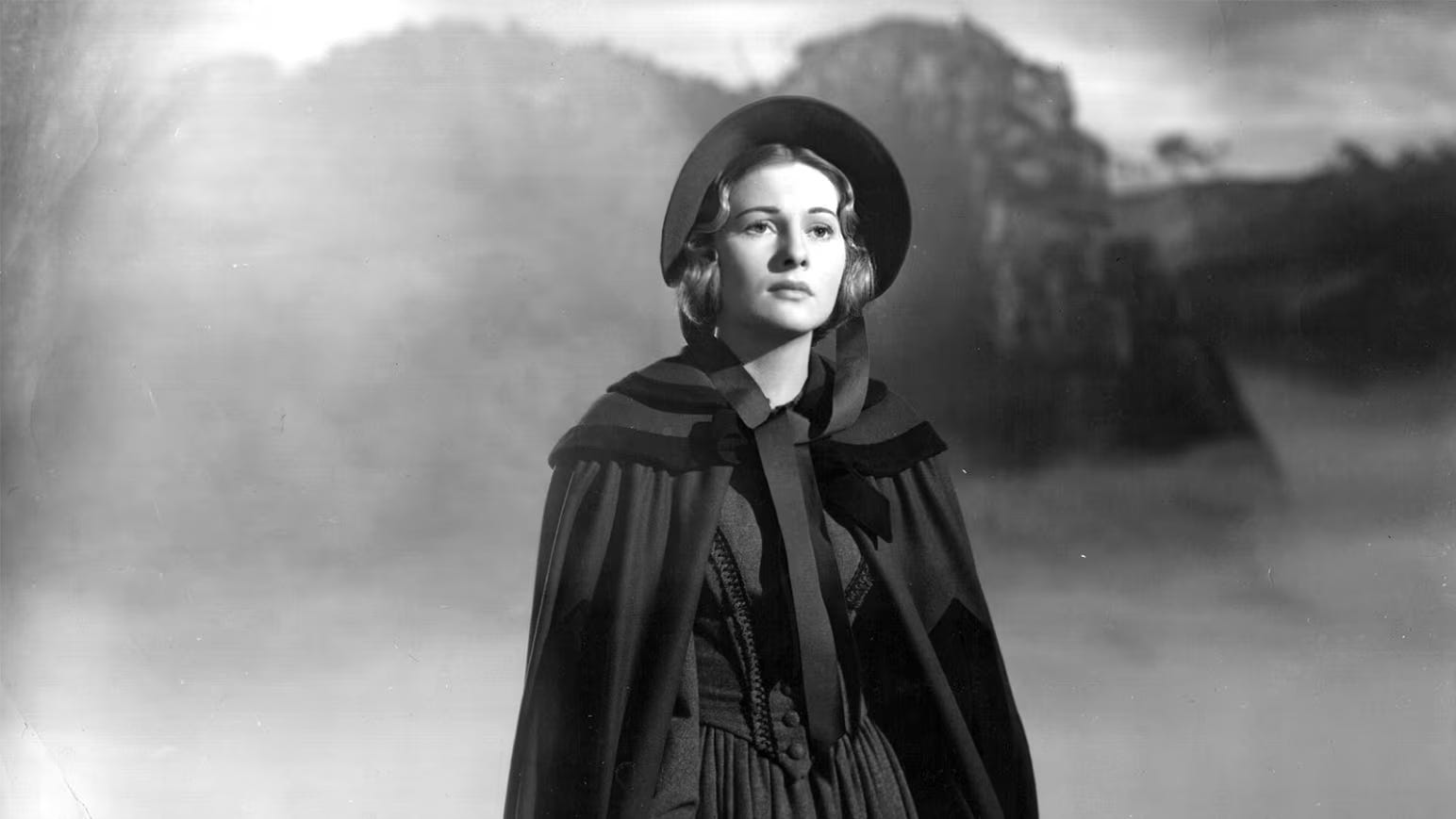
Anyway. We thought of the colonel this week because China has put Jane Eyre on the mandatory reading list for 14-year-olds, and Beijing Daily has explained that this is so children learn about real love and not the looks-and-money version they get from social media, right at the age when they start having feelings. Which is sweet, sort of. And it is also the colonel. Because why does the party suddenly care about true love? Marriages fell by a fifth in 2024, lowest on record, and no marriages means no babies, and so here comes the state with a Victorian novel saying we would like to see your family formed.
What are they up against though? Micro-dramas, those vertical phone serials, a few minutes an episode, which went from under a billion yuan in 2020 to a hundred billion in 2025. And it’s all flaunted wealth and wronged lovers and brooding billionaires and mistresses plotting revenge. The regulator went after them in June, a list of eight banned things, wealth-flaunting and revenge and distorted views of marriage among them. But you can’t really ban taste, can you, you ban the billionaire CEO and you get the billionaire general, people want what they want.
So the textbook. The one place where nobody can swipe away.
And this is the thing we can’t get over. Have they read Jane Eyre? Poor plain orphan, rich brooding employer, secret wife in the attic, wedding stopped at the altar, she runs, she inherits money, she comes back and the house has burned down and he’s blind and sorry. That is a micro-drama. That is every micro-drama. They banned the genre and then assigned the original.
The difference I think is that Brontë gives you five hundred pages inside Jane’s head and the whole point is she says no when the terms are wrong. The ninety-second version keeps the mansion and the fire and loses the no. Maybe that’s what Beijing is after. Maybe.
But books don’t do what they’re told. A mother wrote on Xiaohongshu that her son couldn’t understand why Jane marries a blind man, he thought it was a bad deal, and honestly that boy has already been educated, just not by the school. And a sociologist at Tsinghua is worried about the opposite, that kids will take in the madwoman in the attic and all the colonial stuff without questioning any of it. And then there are the girls. Chinese readers have always read Jane as the one who won’t be pushed around, and she’s arriving in classrooms right when feminist talk is getting squeezed. “I am no bird; and no net ensnares me.” You set that for an exam and you don’t get to choose which line they underline.
The colonel did get his way, Dovlatov left, ended up in Queens, the family was reunited. At the end of the story Lena calls from abroad and says we’ll see each other if you love us. And he says what’s love got to do with it, love is for the young, this is fate. Which is not something a colonel can issue. Or a textbook, probably. We’ll see.
Produced by Decypher Team in New Delhi, India