


By Amogh Dev Rai | Research Director and researcher on China, and Chinese Geopolitics.
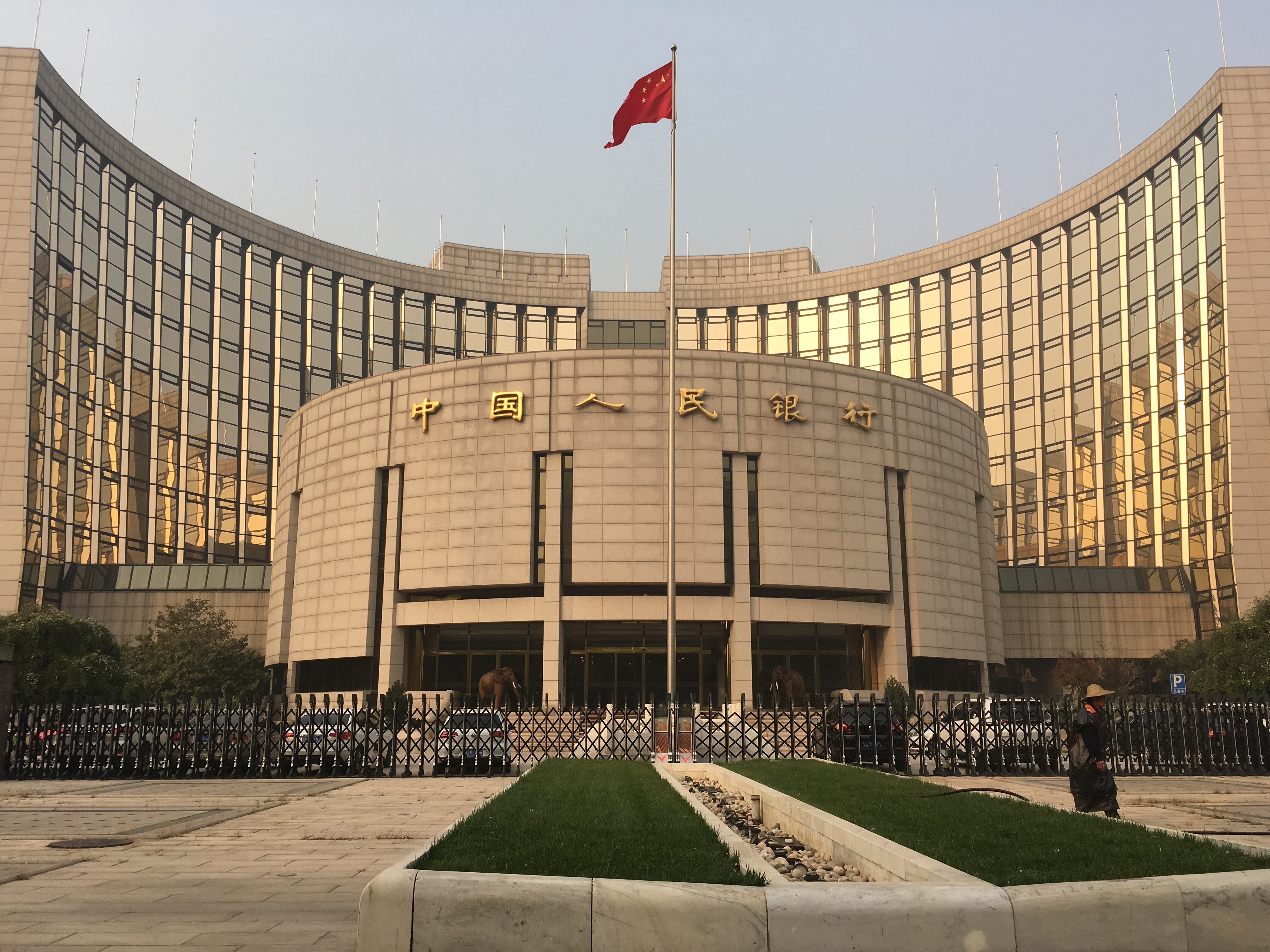
The People’s Bank of China published its five-year plan on the tenth of August. Five task areas, nine action plans attached. Most of it reads the way these documents always read. One small thing in it is worth stopping on, and it is not a phrase. It is an order.
The second task area is about serving the real economy. Inside it, the bank lists its instruments in a line. Technology finance. A bond-market technology board. Green finance. Inclusive finance. Pension finance. Digital finance. Then, at the end, boosting consumption.
Consumption is last. That is the piece worth writing about.
China does not have a supply problem. It makes more than the world can absorb. It has a demand problem. The apartments do not sell. The savings sit in the bank. Retail spending crawls. Households expect their own incomes to fall, and they are spending like people who expect that. Every serious read of the economy lands in the same place. The engine is demand, and demand is broken.
A plan built to fix that would put consumption first. This one puts it sixth, one clause after pension finance. Not by accident. The bank knows how to build the six things ahead of consumption. It does not know how to build consumption.
Look at what those six things share. A technology-finance system is something you construct. You set up the lending vehicles, name the eligible sectors, direct the credit, and it exists. A bond-market technology board is something you construct. Write the listing rules, open the board, done. Green finance, pension finance, digital finance (the whole list above the last line) are architecture. The state designs them and commands them into being. China is very good at this. Better, probably, than any state has been.
Consumption is not architecture. There is no vehicle you can set up that makes a man spend. No board you can open that gives him back his confidence in next year. You cannot point credit at his fear the way you point it at a chip plant. Consumption is a mood held by a billion people at once. You do not build it. You earn it, slowly, by giving people reasons to think the years ahead beat the years behind. That belief is what the property boom ran on and the property bust burned down. No action plan brings it back, because it was never the kind of thing an action plan makes.
So the order is not a ranking of what matters. It is an admission of what the bank can do. The things it knows how to build come first. The one thing it cannot build comes last. A man reaches first for what is in his hand. Technology finance is in the bank’s hand. The Chinese consumer’s confidence is not.
This is the part the West gets backwards about Beijing. The usual complaint is that the state controls too much, plans what should be left alone. The real trouble runs the other way. Some problems planning cannot reach. Demand is one of them. And the Chinese state has spent so long winning at the problems planning can reach that it now brings the same method to a problem built to defeat it. It is treating a crisis of confidence with a construction manual. It funds the supply of things into an economy short of the will to buy them, because supply is what it knows how to fund.
The whole plan holds up under this one lens. The technology board, the innovation finance, the digital-yuan rails, the opening of the markets. All of it the state building, straight and fast, at what it is good at. And underneath it, the saver in Chengdu who will not spend. He appears in the document once, at the end of a list, because the people who wrote it do not know what to say to him. They have built him a superb financial system. They cannot make him believe in it.
A five-year plan that can construct everything except the thing the construction is for is not a plan for recovery. It is a very good way of doing what you already know how to do, and hoping the rest sorts itself out. It will not sort itself out. That is the part no list can reorder.
Produced by Decypher Team in New Delhi, India