

China Risk Radar- India and South Asia Nexus
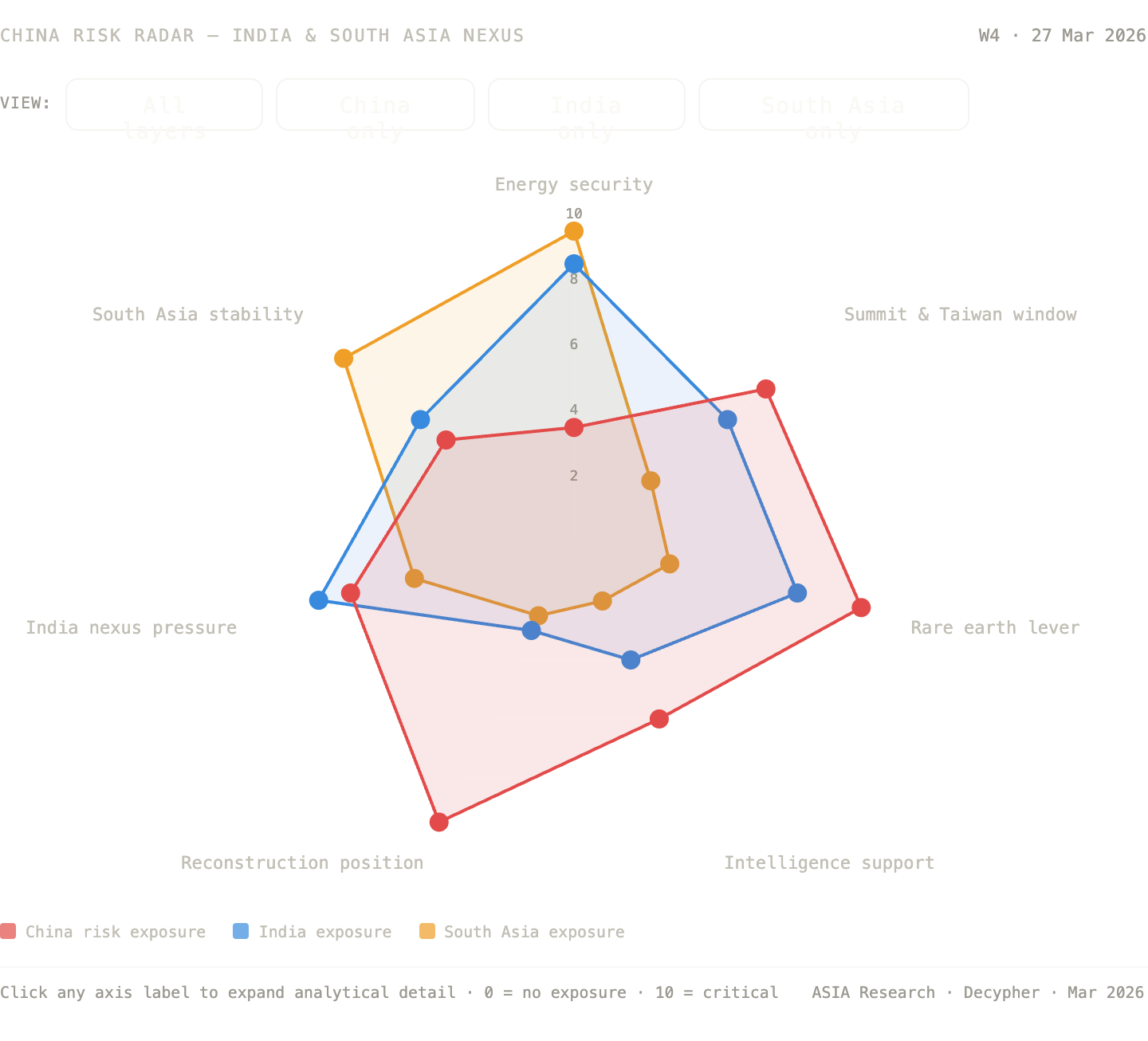
The radar map we built this week tracks seven risk layers for China in the Iran war — energy security, summit and Taiwan, rare earths, intelligence support, reconstruction positioning, India nexus pressure, and South Asia stability — scored against equivalent exposure for India and South Asia. Reading the three polygons together produces a single, uncomfortable finding: China’s risk profile in this crisis is almost the inverse of what most South Asian analysis has assumed.
Where China is compressed — energy — India and Pakistan are maxed out. China imported roughly 13% of its seaborne crude via Iranian routes, built its strategic petroleum reserves through a 16% import surge in January and February anticipating exactly this scenario, and has continued to receive Iranian oil via indirect routing as Tehran selectively allows non-hostile flag states through. Goldman Sachs holds China’s 2026 GDP forecast at 4.8%. An extended war degrades that, but not catastrophically. India gets 40% of its oil and 80% of its gas from the Gulf. Pakistan received 99% of its LNG from Qatar, a supply severed on day three. These are not comparable exposures.
Where India is compressed — reconstruction, rare earths leverage, summit positioning — China is at the outer edge. Chinese state firms (CNPC, CRIG, Sinohydro) were in active scoping on Iranian infrastructure contracts before the first strike. Reuters confirmed procurement records. The reconstruction bet is not a future scenario; it is a current activity. India’s L&T is among the Gulf bidders, but US sanctions compliance requirements structurally exclude non-Chinese firms from Iran-related contracts. India cannot win that race because the rules of that race were written to exclude it.
The summit dimension is the one most commentary has misread. Trump delayed the Beijing visit after China declined to send warships to Hormuz. The standard reading: Trump stood firm, China backed down. The accurate reading: China held its position, Trump repositioned the delay as ‘managing Iran,’ and in the process froze a $13–14bn Taiwan arms package at the State Department on White House orders — a concession Beijing extracted without a single negotiation. Meanwhile 2,200 Marines were redeployed from Japan and THAAD components moved from South Korea. The Taiwan window, which was already opening, widened further. China’s rare earth export ban on military end-users — live since December 2025 — is now producing documented Pentagon delays on F-35 magnet supply chains. This is asymmetric pressure applied at negligible cost to China and measurable cost to the adversary’s weapons replenishment capacity.
The India nexus layer is where ASIA Research has the sharpest analytical interest. Wang Yi’s BRICS push in early March was not solidarity language — it was a demand that India choose, framed as multilateral coordination. India cannot choose without breaking one of three things it needs: its relationship with Washington, its Gulf economic architecture, or its strategic autonomy claim. The IRIS Dena sinking — an Iranian warship returning from naval exercises India hosted at Visakhapatnam, sunk by USS Charlotte off Sri Lanka with India silent — handed Beijing a ready-made exhibit for exactly this argument. China will use it. The US Treasury issuing India a 30-day emergency waiver to buy stranded Russian oil without consulting Delhi on design tells the same story from the other direction: India is being managed by both major powers, not consulted by either.
The South Asia tail is the highest near-term instability risk on the map. Pakistan is in a pre-fiscal crisis condition with its primary energy supply severed. China holds significant CPEC debt exposure. A Pakistani default or political collapse is a direct threat to BRI infrastructure investment — which means Beijing has simultaneous incentives to stabilise Pakistan and to avoid the costs of doing so publicly. China is already playing mediator in the concurrent Afghanistan-Pakistan conflict. Its bandwidth is dividing across multiple South Asian crisis vectors at the same moment it is positioning for the largest infrastructure reconstruction contract race in a decade.

China, is Quietly Playing a Silent War in Iran
The world is watching what China is doing in Iran. It should be watching what China is not doing.
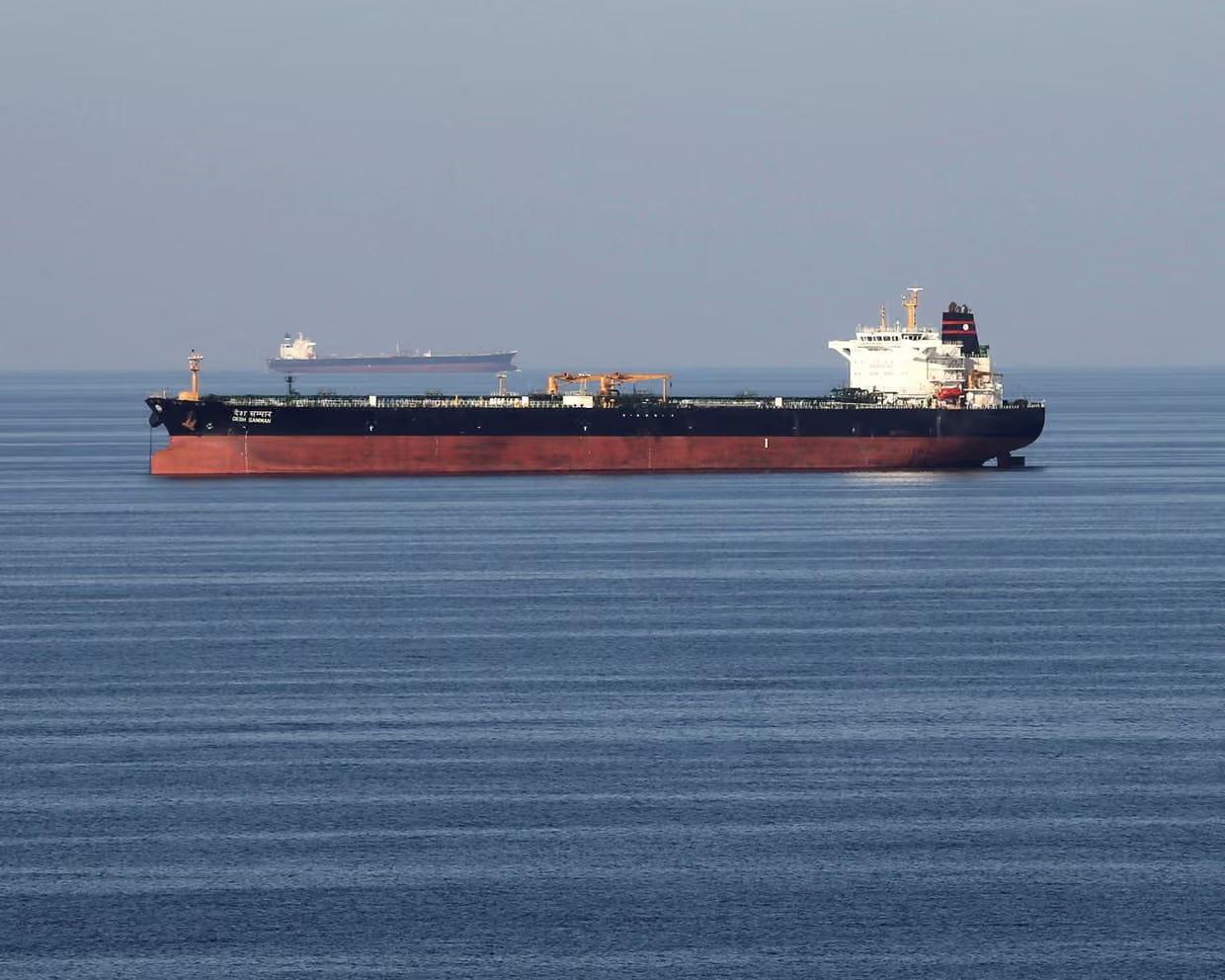
Since US and Israeli forces began striking Iran on February 28, Beijing has offered press releases. Wang Yi condemned the assassination of Khamenei. Foreign Ministry spokespersons called for restraint. China and Russia jointly requested an emergency UN Security Council session. And then, functionally, nothing. No weapons transferred, no intelligence shared, no military forces moved. A state that bought over 80 percent of Iran’s exported oil in 2025 — accounting for roughly 13 percent of all crude China imported by sea — watched its largest energy supplier get dismantled and responded with boilerplate.
The standard reading is that Beijing proved itself an unreliable partner. That reading is too comfortable. It misses the actual strategy.
China is not sitting out the Iran war. It is positioning for what comes after it. Chinese state-owned firms were actively eyeing Iranian energy and infrastructure contracts in the weeks before the strikes began. Analysts at Geopolitical Strategy told Reuters that when the fighting stops, Chinese firms will have the pick of reconstruction contracts, carrying a higher risk appetite than any Western competitor operating under sanctions constraints. INSS, writing in March, noted that Beijing is already thinking about its role in rebuilding Iran’s industrial and military capabilities — and warned Israel and the United States to deliver explicit messages to Beijing now, before those contracts are signed.
The reconstruction play follows an established pattern. After Iraq in 2003, after Syria, Chinese state capital arrived once the American military and political energy was exhausted. Iran offers a cleaner version of the same dynamic, with one addition: the rare earth lever. China has banned rare earth exports for military end-users across multiple jurisdictions, deploying its dominance over materials essential for F-35s, precision missiles and drone magnets as an asymmetric instrument — squeezing US defence replenishment capacity without firing a single shot in Tehran’s direction.
That is the doctrine the world should be worried about. Let the United States bear the cost. Arrive with capital when the rubble settles. Tighten the supply chain screws elsewhere. Emerge with infrastructure contracts, embedded technology and no blood on your hands. It worked in Iraq. It is being refined in Iran.
The danger is not that China abandoned a partner. It is that abandonment, executed at this scale, is the strategy.

US Faces a Critical Shortage of China Expertise
A recent report, cited in the South China Morning Post, by an expert working group supported by the US–China Education Trust highlights a “critical shortage” of China expertise in the United States. A widening talent gap is jeopardising both economic competitiveness and national security, as more seasoned experts retire and fewer Americans pursue higher education in China. The report further argues that knowledge of China should be prioritised as a strategic asset, alongside trade and security.
A major concern is the sharp decline in educational exchange. Fewer than 2,000 Americans are currently studying in China, down from over 11,000 in 2019. The United States is not only producing fewer China experts but also losing existing talent, as a growing number of US-based Chinese scientists shift their affiliations to China. Although new initiatives aim to revive engagement—such as the plan announced after the 2023 Biden–Xi summit to bring 50,000 young Americans to China over five years—these efforts have largely taken the form of short-term visits that do little to rebuild deep, long-term expertise. Experts warn that future policymakers may lack the on-the-ground understanding needed to manage an increasingly complex bilateral relationship.
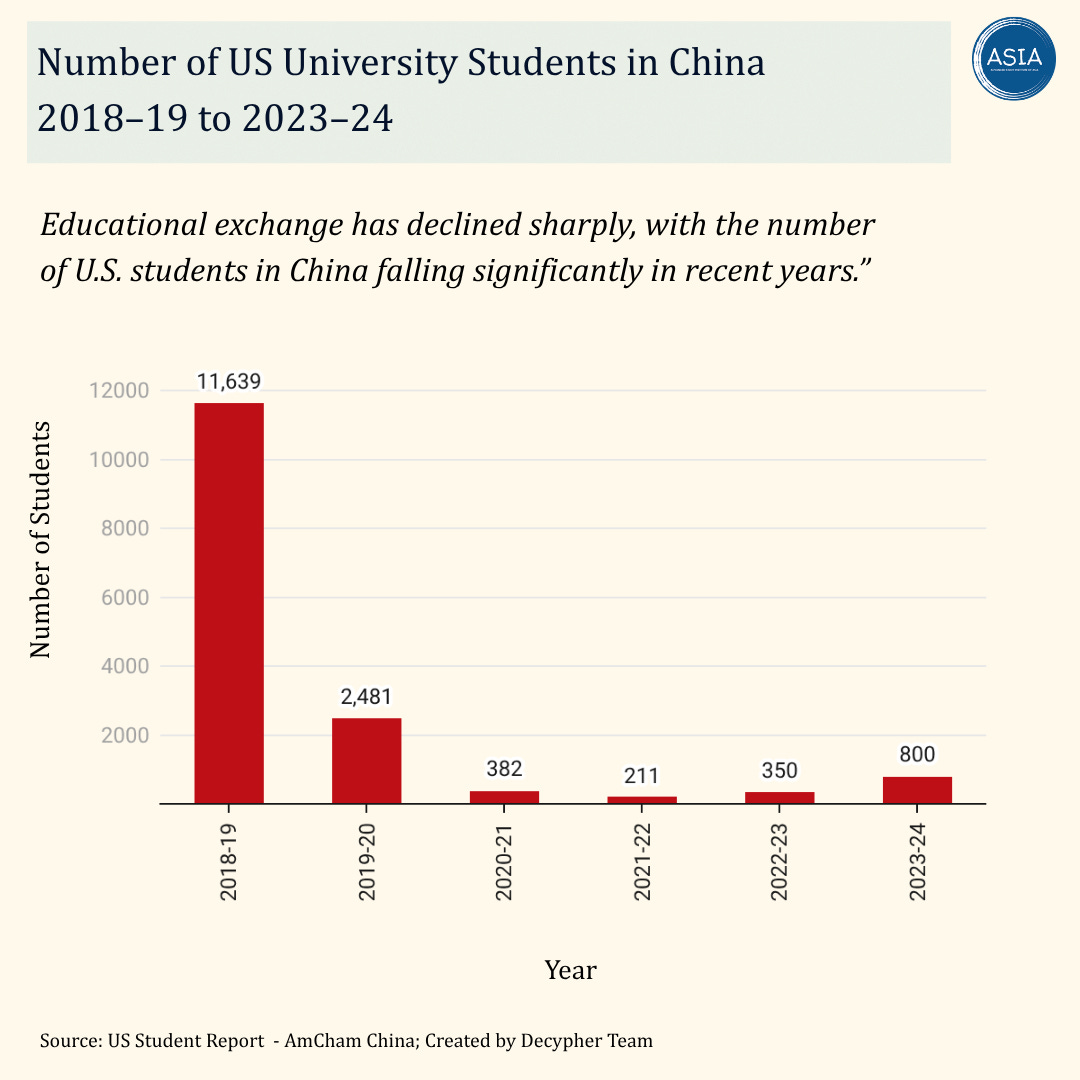
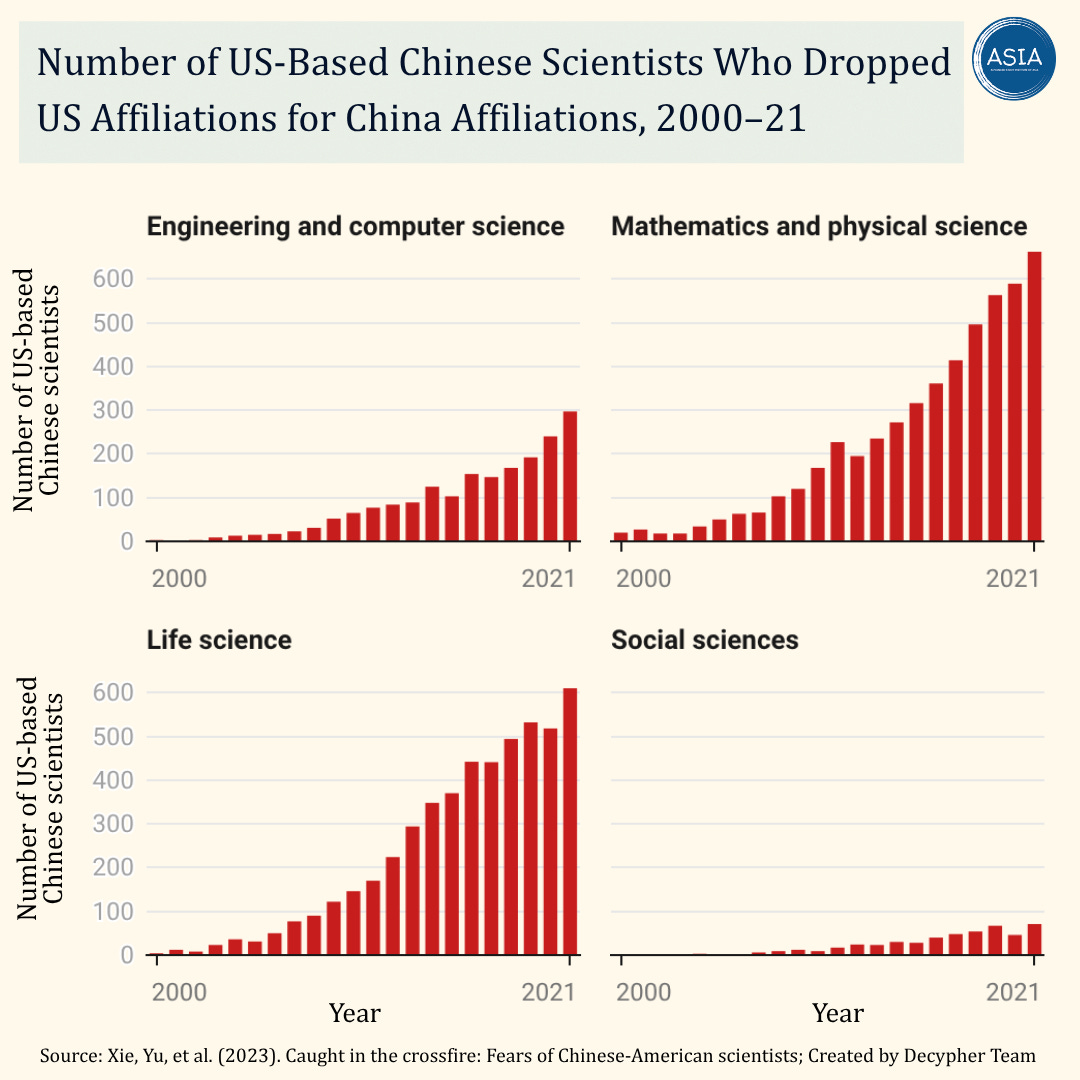
According to the report, this decline is driven by multiple factors on both sides, including stringent visa regulations, heightened concerns about espionage, budget cuts, and rising mistrust. In the United States, stricter security measures and political scrutiny have discouraged academic cooperation, while in China, a more controlled research environment has limited access.
Ultimately, the study highlights a paradox: as strategic competition between the two powers intensifies, the United States is simultaneously reducing its capacity to understand China. Without renewed investment in language training, academic exchange, and research access, the report cautions that America’s long-term strategic decision-making could be significantly weakened.

The Roosevelt Deal and Beyond: Rethinking Power and Influence in U.S.–Pakistan Relations
The recent developments signal a renewed push to strengthen U.S.–Pakistan relations, particularly through infrastructure and economic cooperation. A key focus is the redevelopment of the Roosevelt Hotel in New York, one of most prized investment. The century old hotel, owned by the Pakistan International Airline. While the announcement has been directly linked to Donald Trump, one official has indicated a broader partnership framework. A month ago, Pakistan’s finance minister confirmed the hotel deal, with work expected under an affiliate of World Liberty Financial—a crypto startup reportedly founded by the Trump and Witkoff families, though Trump has denied direct involvement. David Warrington clarified that Steve Witkoff holds no formal decision-making authority.
The Roosevelt Hotel, shut during the pandemic and briefly used as a migrant shelter, is now set for demolition and redevelopment into a high-rise, with Pakistan seeking external support for the project.
At the geopolitical level, Pakistan is positioning itself as a mediator, especially given its 565-mile border with Iran. It has reportedly engaged with a proposed 15-point plan linked to Trump to facilitate ceasefire discussions. Pakistan’s public praise of Trump, including nominating him for the Nobel Peace Prize, reflects this strategic alignment.
This shift follows Trump’s “Board of Peace” initiative—started with an aim to reconstruct Gaza but the initiative requiring a $1 billion membership from other countries. For Pakistan, active engagement and a renewed strategic ally under the US leadership enhances its relevance in both Western and Asian strategic spaces. But it should also be look from the angle of informal influence on formal authorities.
— — —
Essay: Amogh Dev Rai- Research Director at the Advanced Study Institute of Asia (ASIA), affiliated with SGT University, Gurugram.
Data and Postscript: Bhupesh and Neeti.
Produced by Decypher Team in New Delhi, India
— — —